OCB Natural Bodybuilding: A Coach's Guide to Competing in the OCB
How the Organization of Competition Bodies works, from drug testing and divisions to the pro card, and how to get a client ready for an OCB stage. Written by a coach who has competed and coached there.
Get featured on CoachPilot. Founding coaches are promoted on our website and get their own referral code. Free to join, no commitment.
Claim Your Spot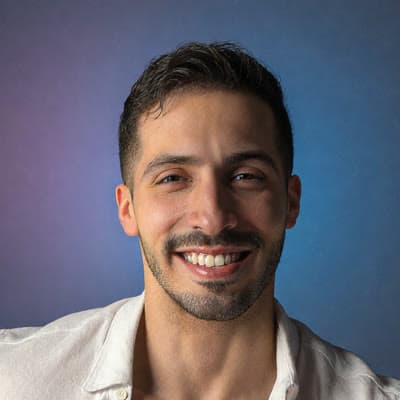
I've stood on OCB stages as a competitor, taking first place in Men's Classic Physique Open, and I've coached athletes through OCB shows. This guide covers what I'd want a coach or a first-time competitor to know before picking one. The rules below come from the OCB's own website as of October 4, 2026, with a link next to each one. Rules change, so confirm them on the OCB's pages before you register.
What is the OCB?
OCB stands for the Organization of Competition Bodies. It describes itself as "the world's largest and most prestigious all-natural bodybuilding federation, sanctioning 130+ drug-tested natural bodybuilding events annually" (ocbonline.com). It runs amateur and professional shows, and athletes need a current OCB membership to compete.
OCB drug testing: what "natural" means here
The standard is set out in one sentence of the federation's policy: "All OCB competitors must be drug free and fully compliant with the WADA Anti-Doping Code for a minimum of seven (7) years prior to competition" (OCB drug testing). Some substances have their own, shorter windows, which the same page lists.
Testing happens in two ways:
- A screening for every competitor. OCB's getting started guide says "The OCB believes in 100% screening of all competitors for PED use" (source). Screenings are held in the day or days before the event, not on show day.
- Urinalysis. Used for pro-qualifying winners at amateur events, the top three in pro divisions, and at random through the year.
For a coach, the practical point is to raise this with an athlete at the first conversation, not at check-in. A supplement or a prescription can matter, and the athlete is the one who has to pass.
OCB categories and divisions
The OCB has seven categories (OCB amateur guidelines):
- Women: Bikini, Wellness, Figure, Physique.
- Men: Bodybuilding, Classic Physique, Physique.
An athlete picks one category per event. Within it, they can cross over into every division they qualify for, which is how a competitor ends up on stage several times in one show.
Divisions within a category
- Debut: "First competition ever. Competitors cannot have competed in any category with any organization."
- Novice: for athletes who have not placed first in a class before, with limited exceptions.
- Open: "Open to everyone regardless of age and level of experience."
- Age divisions: based on the athlete's age on the day of the contest.
- Teen and Junior: for younger athletes, with proof of age.
Choosing well matters. A first-timer who enters Debut and Novice as well as Open gets more stage time and a fairer comparison. Talk the entries through with your athlete before registration, because crossovers add entry fees.
How to earn an OCB pro card
Amateurs earn pro status by placing in Open or Masters divisions, provided a minimum number of athletes competes in that class, and the winner must pass urinalysis (amateur guidelines; pro guidelines). The minimums vary by category, so check the guidelines for the show in question before promising an athlete a shot at a card.
How to enter an OCB show, step by step
The OCB's getting started guide lays out the path:
- Join. Take out an amateur membership. It lasts a year and doesn't renew automatically.
- Choose a show. Browse the event list. The OCB suggests attending a competition first to see how your category is judged.
- Register and pay the entry fees, including any crossovers.
- Take the drug screening before the event.
- Attend check-in to collect your competitor number, and book tanning, hair and make-up or photos if you want them.
- Compete through prejudging and finals.
The same guide puts a typical contest prep at 8 to 32 weeks, which is a wide range because it depends on how much body fat the athlete has to lose.
Preparing a client for an OCB stage
Start from the show date and work back
Pick the show, count the weeks, and be honest about whether the athlete can be lean enough in time. Being ready early is worth more than anything done in the final week.
Run the same check-in every week
Weight trend, photos, adherence, hunger, training, sleep and stress, asked the same way each week, are what let you make one good decision at a time. Our free contest prep check-in template has the questions.
Practise posing from the start
Conditioning gets an athlete on stage; presentation decides placings between athletes in similar shape. Put posing in the plan from the first weeks, not the last.
Plan peak week before it arrives
In a tested federation the final week is food, fluid, training and rest. Read our coach's guide to peak week and log each day in the peak week tracker.
CoachPilot at OCB The Conquer
In May 2026, on Mother's Day weekend, CoachPilot had a table at OCB The Conquer, held at CCBC in the Baltimore area. We met prep coaches there and onboarded some of them onto the platform during the event.
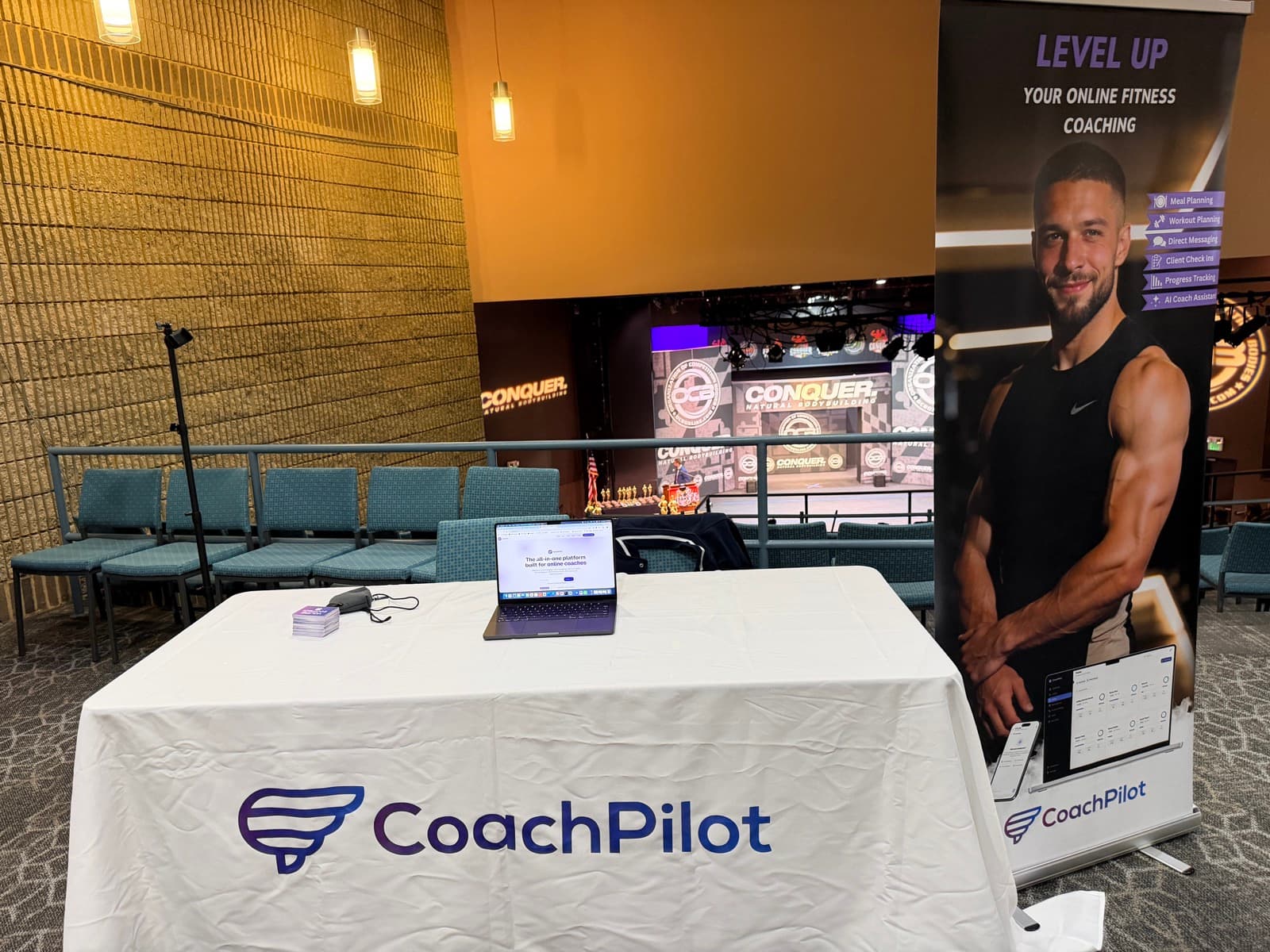
I built CoachPilot after years of running clients across spreadsheets, generic meal plan templates and several different apps. For a prep roster, the admin is what eats the week: rebuilding meal plans when macros change, collecting check-ins, and keeping each athlete's conversation next to their plan. That is what CoachPilot is built for.
Frequently asked questions
Keep comparing: see the full CoachPilot pricing and comparison table, the coach's guide to peak week, natural bodybuilding federations compared, bodybuilding divisions explained and contest prep coaching software.
Coaching OCB athletes? Run their prep in one place
Founding pricing: one flat price with unlimited clients on every paid plan, locked for life when you join before Dec 31, 2026. Signing up takes no payment and no commitment.
Reserve Your Spot